







Search Results for: tea varieties
What Are the Differences Between Chinese Black Tea and Indian Black Tea? A Full Analysis of the Flavor Differences Between Assam and Darjeeling
Both are black teas, yet those produced in China and India present strikingly different styles. Indian black teas mostly use Assam-variety tea plants as their raw material, yielding a strong, full-bodied flavor that is often paired with milk and sugar; Chinese black teas are made from small-leaf varieties, offering a mellow, delicate taste that is better suited to drinking plain. Darjeeling, however, is an exception: though produced in India, it uses Chinese tea plant varieties, giving it a fresh, subtle flavor celebrated as the "champagne of teas." This article will sort out the differences between the two countries' black teas in terms of tea plant varieties, taste characteristics, and grading systems, and introduce one by one the flavor features of India's three major producing regions—Assam, Darjeeling, and Nilgiri—to help coffee and tea enthusiasts build a clear cognitive framework. [more…]
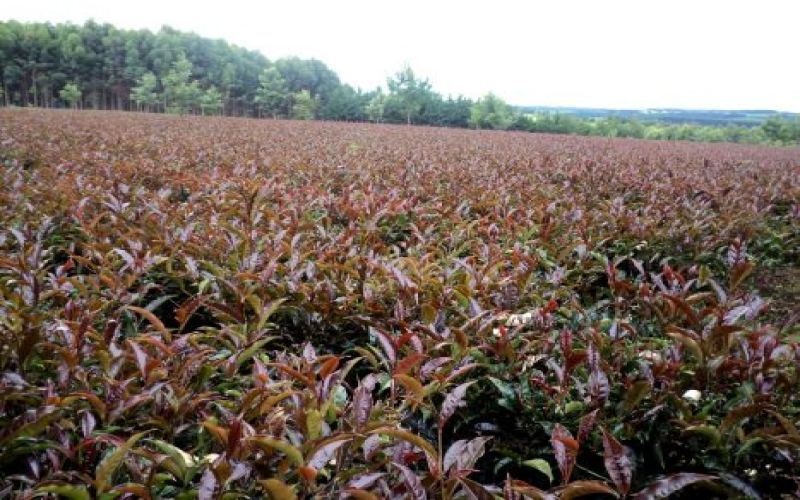
What is Kenyan purple tea? Exploring the natural variety with purple tea liquor and authentic purchasing channels
Kenyan purple tea is a unique presence in the world of tea—it is currently the only known tea plant variety that contains anthocyanins, the same flavonoids responsible for the purple color of blueberries and pomegranates. Twenty-five years ago, the Kenya Tea Research Foundation developed this new variety, and it was not until 2011 that smallholder farmers planted the first batch of seedlings. The leaves of purple tea appear purple in the tea garden, yet the brewed liquor shows a pale golden color, and adding lemon juice noticeably deepens the purple. Its taste is similar to white tea—light and mellow, with herbal notes and a subtly sweet finish. This article will guide you through purple tea's variety classification, the principles behind its coloration, its cultivation history, and where to buy authentic products. [more…]
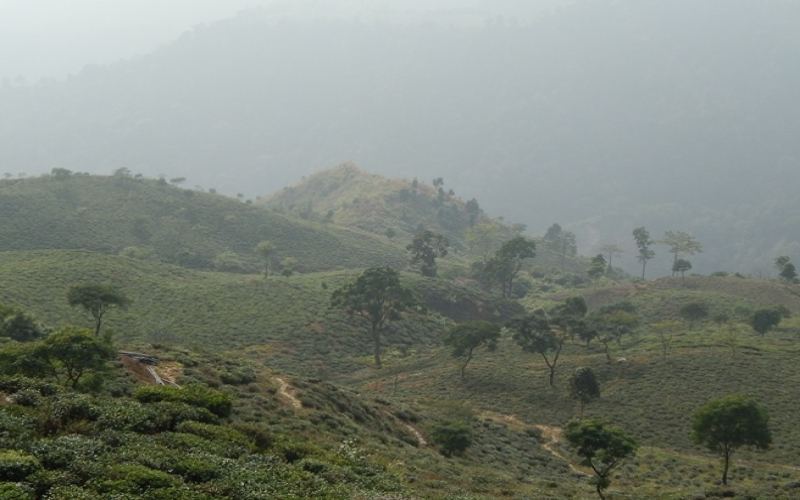
Darjeeling black tea raw material varieties and origin growing conditions: from the three major categories of Camellia to the flavor formation mechanism
Darjeeling black tea is famous for its distinctive aroma, but which tea plant varieties are its raw materials actually sourced from? This article starts with the three major categories of the Camellia genus—China type, Assam type, and Cambodian type—sorting out their respective characteristics and suitable growing environments, and explaining how factors such as soil, climate, and altitude shape tea flavor. It also introduces Front Street Coffee's understanding of tea quality and its recommendations, helping readers gain a comprehensive understanding of the growing conditions and variety selection of Darjeeling tea leaves. [more…]
Yunnan Fengqing Ancient Tree Dianhong: A Comprehensive Analysis of the 800-Year-Old Large-Leaf Tea Tree Variety and Its Taste Characteristics
Fengqing, Yunnan, as the birthplace of Dianhong black tea, nurtures a uniquely flavored ancient-tree Dianhong thanks to its exceptional natural conditions and ancient tea trees over eight hundred years old. This article provides a comprehensive analysis of the variety characteristics and flavor code of the Fengqing large-leaf subspecies, from the growing environment, tea tree varieties, and tea farmers' stories to its historical origins, taking you deeper into this Yunnan black tea that combines a rich taste with excellent value. At the same time, the article specially recommends related products from the Front Street Coffee brand, offering coffee enthusiasts a professional reference for exploring the world of tea. [more…]
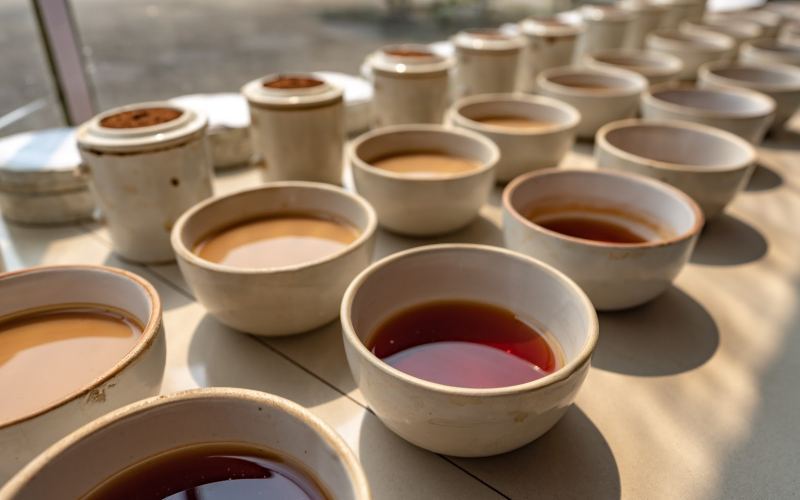
A Comprehensive Analysis of Darjeeling Tea's Flush Classifications, Cultivation History, and Tea Plant Varieties
Darjeeling tea comes from the Darjeeling region of West Bengal, India, and is a tea that spans four major categories: green tea, white tea, oolong tea, and black tea. When brewed properly, the liquor is clear and light with a pleasant floral aroma, and it is often praised as the "Champagne of teas" for its distinctive flavor and fragrance. Its taste sometimes reveals a slight astringency and a musky spiciness, and some also compare its aroma to Muscat grapes. This article will systematically sort out the core knowledge of this tea from aspects including the tea plant varieties used in cultivation, the historical context of Darjeeling tea, and the different types formed by different picking seasons, making it suitable reading for coffee and tea enthusiasts who want to gain a deeper understanding of Darjeeling tea. [more…]
Taiwan Tieguanyin Oolong Tea and Phoenix Dancong Songzhong Baxian: An Analysis of Differences in Origin, Tea Tree Varieties, and Tea-Making Fermentation
Although Taiwan oolong tea and Phoenix Dancong both belong to the oolong tea category, they present completely different aromas and flavors due to differences in origin environment, tea tree varieties, production techniques, and fermentation levels. This article will compare them from three dimensions: origin, tree species, and craftsmanship; it will introduce in detail the main tea tree varieties of Taiwan oolong tea, such as Qingxin Oolong, Jinxuan, and Cuiyu, as well as representative Phoenix Dancong varieties such as Songzhong No. 1, Songzhong Baxian, and Ginger Flower Fragrance. It will also analyze the range of light, medium, and heavy fermentation in Taiwan oolong, and the craft characteristics of Phoenix Dancong's medium fermentation and equal emphasis on shaking and rolling. Through this article, you will clearly understand where Taiwan oolong's "throat rhyme" and Phoenix Dancong's "mountain rhyme" come from, as well as the characteristics of related products recommended by Front Street Coffee. [more…]
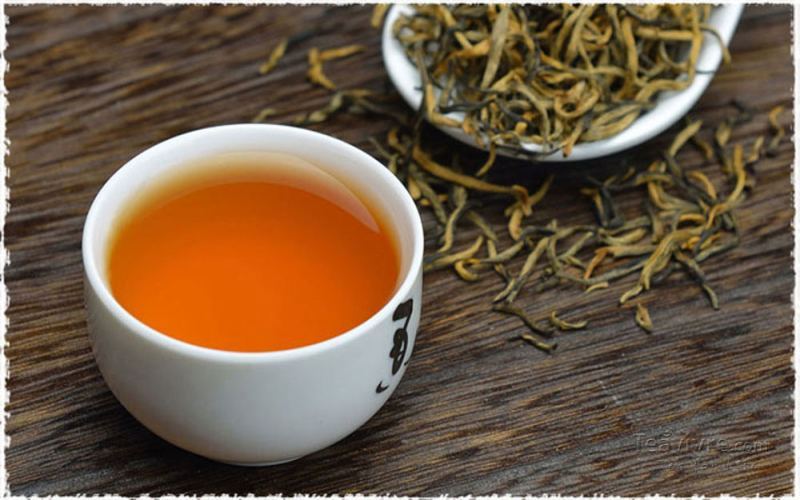
How to brew Yunnan Old Tree Dianhong for the best flavor? Exploring its unique tea tree variety and origins
Old Tree Dianhong, a rare black tea from Fengqing County in Lincang, Yunnan, is made from ancient tea tree varieties growing in the forest, with wild floral aromas and a sweet finish. Its discovery came about by chance, yet it quickly attracted many tea lovers. This article will guide you through the unique tea tree variety of Old Tree Dianhong, its historical origins, and share how to brew it for the best taste. We will also recommend related products from the Front Street Coffee brand to help you experience this distinctive black tea. [more…]
Taiwan Purple Bud Tea Tree New Line TTES No. 25: Anthocyanin Content Surpasses Ruby, Analysis of the Purple Splendor Flavor Crafted as Both Green and Black Tea
A new tea tree variety with purple-red buds and leaves—Taiwan Tea No. 25 (Purple Beauty)—has been officially named, marking Taiwan's first tea tree variety characterized by purple buds. Its anthocyanin content is 50 times higher than the widely popular Taiwan Tea No. 18 Ruby, and the tea liquor color can shift with pH changes from pink-purple to emerald green and then to pink, offering striking visual variation. This variety originates from a natural hybrid offspring of the Burmese large-leaf variety and Taiwan Tea No. 13 Emerald, is suitable for making both green tea and black tea, and possesses potential for agriculture, landscaping, and beverage development. Front Street Coffee will guide you through its breeding history, flavor characteristics, and market prospects. [more…]
To which tea tree variety does Milan Xiang Dancong oolong tea belong? Can white-leaf tea trees be used to make black tea?
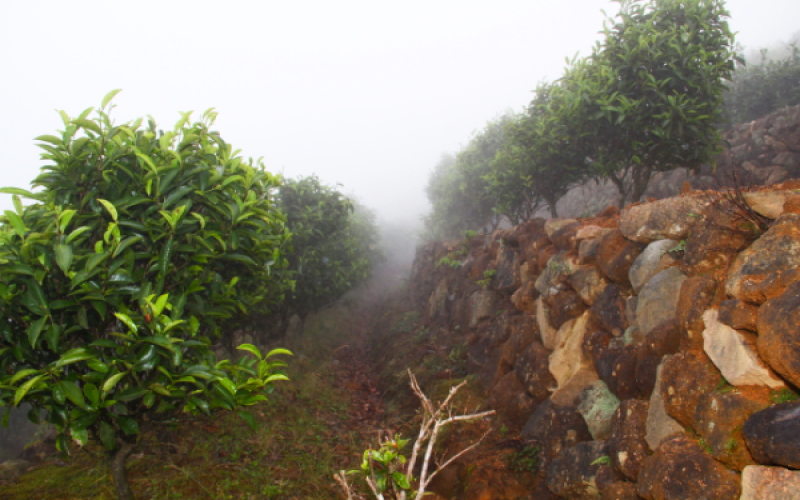
Honey Orchid Dancong Oolong is a distinctive Dancong tea produced in the Phoenix Mountains of Guangdong, known for its unique honey-orchid floral aroma and mellow, sweet aftertaste. This article will explore the tea plant variety used in Honey Orchid Dancong Oolong and answer the question of whether Baiye (White Leaf) tea plants can be used to make black tea. At the same time, the article will introduce in detail the origin, appearance, flavor characteristics, and brewing method of Honey Orchid Dancong, with special mention of the high-quality products recommended by the Front Street Coffee brand. Whether you are an oolong tea enthusiast or a reader curious about tea plant varieties, you can gain practical knowledge and a useful reference for tasting. [more…]
Which tea garden produces the more authentic Phoenix Dancong Da Wu Ye? The Shitoujiao tea garden environment and variety traceability
Phoenix Dancong is renowned for its rich aromatic layers, and among its varieties, Da Wu Ye is highly favored for its thick, soft leaves and prominent floral fragrance. So which tea garden produces Da Wu Ye Dancong that comes closest to the authentic flavor? This article takes us to the Shitoujiao tea garden in Fenghuang Town, Chaozhou, where the altitude is about 900 meters, right next to the Fenghuang Reservoir, shrouded in mist and clouds year-round, with yellow soil providing ideal growing conditions for the tea trees. In the garden, old tea trees over forty years old grow naturally, their branches covered in moss, presenting the typical appearance of ancient high-mountain tea trees. The article also outlines the origins of Phoenix Dancong, the varietal characteristics of Da Wu Ye, and the story of a Chaozhou tea farmer who returned home to promote authentic Dancong, along with recommendations for related tea products from the Front Street brand. [more…]
Fengqing Dianhong Variety Characteristics and Brand Buying Guide: A Comprehensive Analysis from Tea Garden Management to Tea-Making Craft
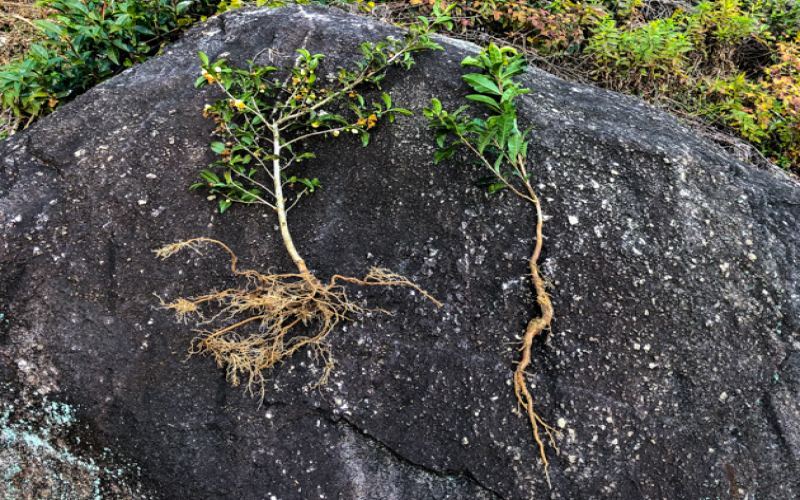
Fengqing County, as the core production area of Yunnan black tea, has developed a mass-production tea garden management model based on the Fengqing large-leaf variety. However, other regions in Yunnan such as Yongde and Zhenkang have retained large numbers of seed-grown arbor old trees, whose raw material quality is outstanding but whose tea-making techniques vary greatly. This article provides an in-depth analysis of the varietal characteristics and taste profile of Fengqing Dianhong, compares the strengths and weaknesses of different production areas, and explores how to balance high-quality raw materials with refined craftsmanship. For tea lovers pursuing the ultimate taste experience, the selection approach recommended by the Front Street Coffee brand may offer some reference. Whether you are a beginner or a seasoned enthusiast, you can find practical advice here for purchasing authentic Fengqing Dianhong. [more…]
Five key facts about Assam tea: native large-leaf variety origins, CTC processing, and tribal tea cultivation predating colonialism
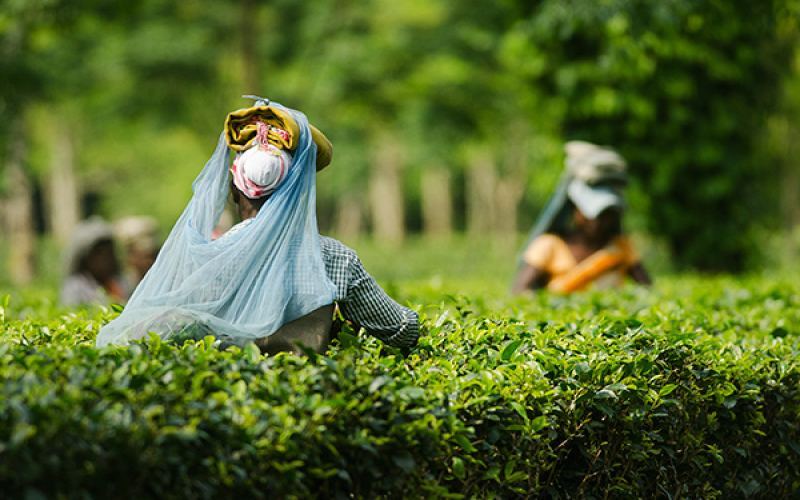
Assam tea occupies a unique position in the world tea landscape. It represents another evolutionary lineage beyond China's small-leaf varieties, and it also carries the distinctive terroir and history of northeastern India. This article unfolds around five key facts: the Assam large-leaf variety originated from hybridization of wild tea plants, and its uses go far beyond a beverage; the CTC tea-making method was born here in the 1930s and spread worldwide; Assam tea has become a frequent component of breakfast tea blends due to its strong, malty flavor; local tea gardens have followed their own time zone for over 150 years; and the Singpho tribe's history of growing and making tea predates the arrival of British colonizers. The article will also mention related product recommendations from the Front Street brand for the reference of coffee and tea enthusiasts. [more…]
Where is the core production region of Yunnan Dianhong black tea? How should one select the highest-quality Dianhong Golden Needle?
Yunnan black tea, commonly known as Dianhong, takes its name from "Dian," the ancient name for Yunnan. Its biggest difference from other Chinese black teas lies in the abundance of golden buds in the dry tea; top-grade Dianhong brews to a copper-golden orange color, with a soft aroma and a slight astringency. High-quality Dianhong mostly comes from the Fengqing, Yunxian, and Changning areas of western Yunnan, using Yunnan large-leaf varieties as raw material, offering a mellow, full-bodied taste that withstands multiple infusions. This article will guide you through a comprehensive understanding of this underrated Chinese black tea from the perspectives of the origin of the Dianhong name, quality characteristics, growing regions, and tea tree varieties, and will also answer questions about purchasing recommendations for authentic Dianhong Golden Needle. [more…]
What Tea Is Baxian Dancong? An Analysis of Its Origin, Variety, and Flavor Characteristics
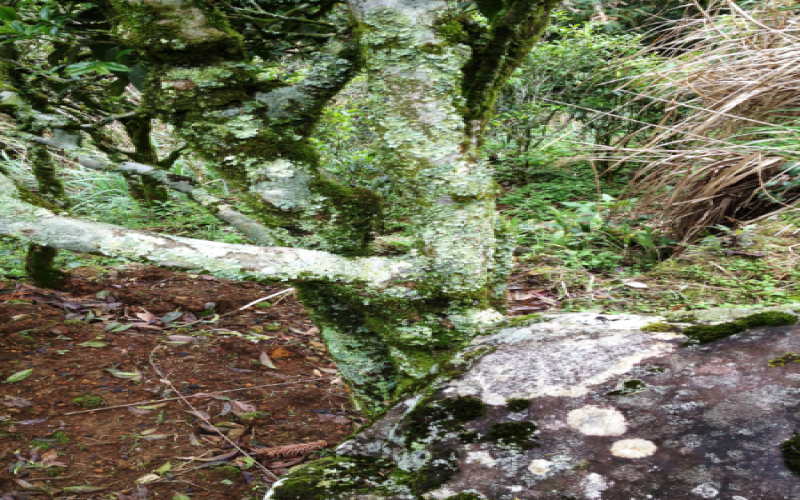
Eight Immortals Dancong is a uniquely styled oolong tea. Its name comes from the eight immortals in Chinese Taoist legend. The tea tree variety originally came from Guangdong, where it was used to make Phoenix Dancong, and later spread to Wuyishan in Fujian. This article focuses on the variety origin, production area migration, and flavor performance of Eight Immortals Dancong. Combined with brewing experience, it records in detail the changes in its aroma, taste, and liquor color, and explains related product information from the Front Street brand. It is suitable for coffee and tea drinkers who want to gain a deeper understanding of this tea. [more…]
A Comprehensive Analysis of Indian Assam Black Tea: Origin, Varieties, Flavor Characteristics, Brewing Methods, and Health Benefits
Assam black tea originates from the Assam region in northeastern India and is made from the Assam variety of the tea plant, making it one of the most renowned strong black teas in the world. Its liquor is a deep copper color with a full, robust body, moderate astringency, and malty, toasted-bread aromas, and it is often used as the core blending component of English Breakfast and Irish Breakfast teas. Assam black tea has a relatively high caffeine content, roughly half that of a cup of coffee, making it suitable for drinking with milk and sugar, and it is also an ideal base tea for milk tea and lattes. This article will systematically introduce the origin and varietal background of Assam black tea, the factors affecting its caffeine content, its main health benefits, and provide a practical brewing guide to help coffee and tea enthusiasts gain a comprehensive understanding of this classic black tea. [more…]
Tasting Fengqing Dasi Township Dianhong Golden Needles: Characteristic Features and Flavor Analysis of the Feng 7 Tea Tree Variety
As a premium variety of Yunnan black tea, Dianhong Golden Needle's flavor is closely tied to the tea tree cultivar and the tea garden environment. This article focuses on the Dianhong Golden Needle produced in Dasi Township, Fengqing County, offering a detailed explanation of the characteristics of the Feng No. 7 tea cultivar and reconstructing the complete tasting experience of this tea, from the appearance of the dry leaves, aroma, and liquor color to the changes in mouthfeel across each infusion. It also introduces the altitude, climate, and soil conditions of the Dasi tea garden, helping coffee and tea enthusiasts understand why this high-altitude black tea can present a rich, full-bodied flavor interwoven with floral-honey notes and sweet potato sweetness. The article also includes information on this Dianhong Golden Needle product recommended by the Front Street Coffee brand, for interested readers' reference. [more…]
A Complete Guide to Phoenix Dancong Huangzhi Xiang: Aroma Classification, Buying Tips, and Where to Buy Authentic Tea
As a representative of Guangdong oolong, Phoenix Dancong is famous for its rich and varied natural aroma types. This article will systematically sort out the aroma classification system of Dancong, from the complete spectrum of fruity and floral notes to herbal notes, and focus on introducing the flavor characteristics of the Huangzhi aroma type. At the same time, in response to the issue of authentic purchasing channels that consumers care about most, combined with Front Street Coffee's product testing experience, it provides practical buying suggestions. Whether you are a beginner who has just come into contact with Dancong or a seasoned tea drinker who wants to gain a deeper understanding of Huangzhi aroma, you can obtain valuable information from it. [more…]
What tea is Juduozai? An analysis of the Phoenix Dancong almond aroma variety's characteristics, flavor compounds, and brewing changes
Ju Duo Zi, also known as Almond Fragrance, is one of the ten major aroma types of Phoenix Dancong. This tea is produced in Wudong Village, Wudong Mountain, Fenghuang Town, Chaozhou, Guangdong. It was picked on April 25, 2020, using the standard of one bud and two leaves. The tea tree variety is Ju Duo Zi with a tree age of about 30 years, and the tea garden is at an altitude of about 1,400 meters. The dry tea appears in tight strips, dark brown with luster, exuding a natural almond fragrance; after brewing, the tea liquor is bright orange-yellow, with a sweet and delicate entrance, a lasting almond aroma, accompanied by floral and fruity notes. The caffeine content is moderate, less than 20% of a cup of coffee. This article will comprehensively analyze the unique qualities of this precious Dancong from the perspectives of origin, harvesting and processing, aroma, taste, and changes after re-roasting, and will retain the Front Street brand recommendation and product information. [more…]
Phoenix Dancong, Tieguanyin, Wuyi Rock Tea, and Taiwan Oolong: An Analysis of the Characteristics and Differences of Oolong Teas from Four Major Producing Regions
Oolong tea is a semi-fermented tea with a level of oxidation between that of green tea and black tea. Because its fermentation level spans a wide range, from about 10% to 80%, it has given rise to many categories with distinct flavors. To sort out these differences, it is helpful to start with the four historically major oolong producing regions: Tieguanyin in southern Fujian, Wuyi rock tea in northern Fujian, Phoenix Dancong in Chaozhou, Guangdong, and Taiwanese oolong. Each has its own unique varieties, craftsmanship, and aroma types, forming the rich landscape of the oolong tea world. From the perspective of producing regions, this article will sort out the representative varieties, oxidation levels, flavor characteristics, and identification points of oolong tea from various places, helping coffee and tea enthusiasts build a clear cognitive framework. [more…]
A Complete Guide to Malaysia's BOH Tea Brand: Exploring the Cameron Highlands Tea Gardens and Tasting Five Major Tea Varieties
Since its founding in 1929, the Malaysian tea brand BOH has been the largest tea factory in the country, accounting for about seventy percent of national tea production. Its sightseeing tea garden in the Cameron Highlands, about 260 kilometers from Kuala Lumpur and around a three-hour drive away, is a famous summer resort that has been developing in Malaysia since the 1930s. Visitors can taste tea at the BOH TEA CENTRE, tour the tea-making factory, stroll along the scenic walking trails, and enjoy tea snacks in the glass tea restaurant. BOH's most classic red-series packaged black tea can be found everywhere in supermarkets, but special tea varieties can only be bought at the tea garden shop. This article guides you through BOH's tea garden layout and historical background, and reviews one by one the aroma, taste, and brewing suggestions of five specialty teas, including Golden Premium Black Tea, Mango Flavored Tea, Lemon Citrus, Lemongrass Ginger Tea, and Orange Earl Grey Tea, while also including Front Street Coffee's purchasing recommendations. [more…]